EU Governance: Troubled internally and when used as a foreign policy

Dr Amir M Kamel The foundation of the European Union (EU) is built on the belief that the pooling of natural resources creates a framework for interdependence, which in turn eliminates the potential for conflict. As I noted in my previous Defence-in-Depth piece The EU: A model for economic governance?, this ideal is rooted in Liberal… Read More EU Governance: Troubled internally and when used as a foreign policy

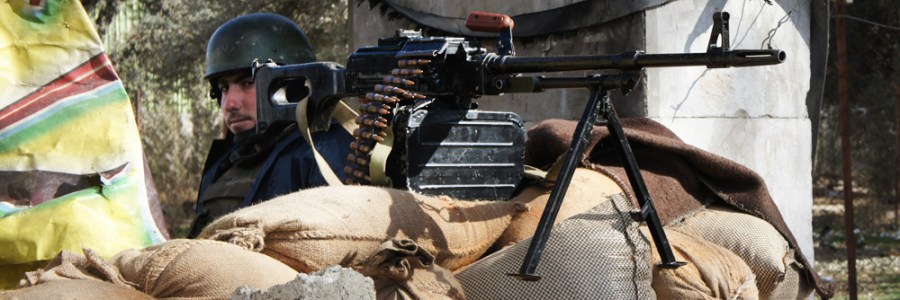
Degrade and Destroy: Winning the War against DAESH

Dr. Andrew R. Hom In late June 2016 the ESRC-funded Moral Victories project and KCL’s Department of Defence Studies convened a workshop, entitled ‘Degrade and Destroy: Winning the War against Daesh?‘, which brought together leading experts from the academic, military, policy, and NGO communities to consider the problem of confronting DAESH (ISIS) – both in terms… Read More Degrade and Destroy: Winning the War against DAESH

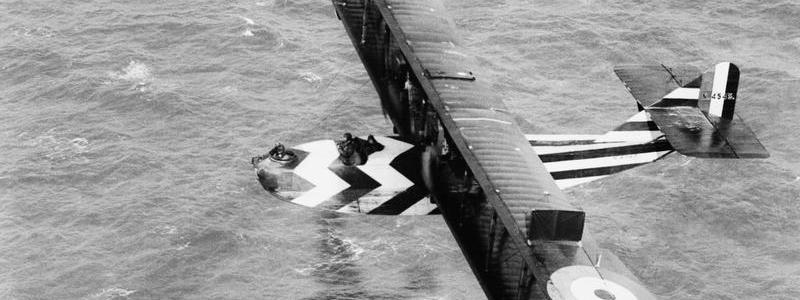
Keeping the Genie in the Bottle: RNAS Anti-Submarine Warfare, 1912-1916

ALEXANDER HOWLETT Throughout its long history, the Royal Navy has been both an innovator of, and adapter to, technological change. By the end of the 19th century, the sailing warship of Nelson’s day had been transformed into the all steel construction, reciprocating engine, electric powered and radio equipped, battleship. As formidable an implement of sea… Read More Keeping the Genie in the Bottle: RNAS Anti-Submarine Warfare, 1912-1916

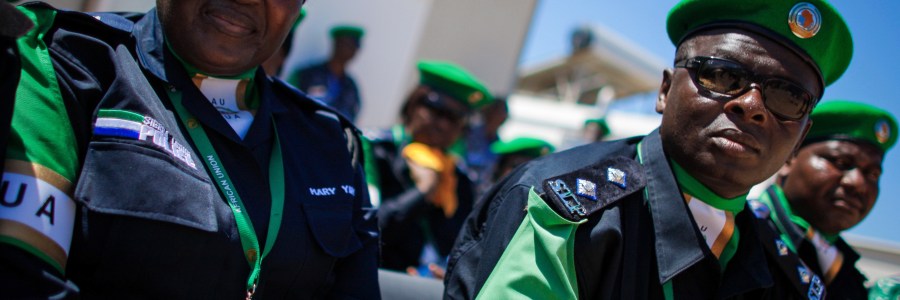
Youth in peace building and the legacy of interventions

Dr Sukanya Podder This post is based on Dr Podder’s article ‘The power in-between: youth’s subaltern agency and the post-conflict everyday‘ and book titled Youth in Conflict and Peacebuilding: Mobilization, Reintegration and Reconciliation. The latter connects with issues of youth agency and transformative capacity in post-conflict environments. Over the past three decades we have seen the development… Read More Youth in peace building and the legacy of interventions

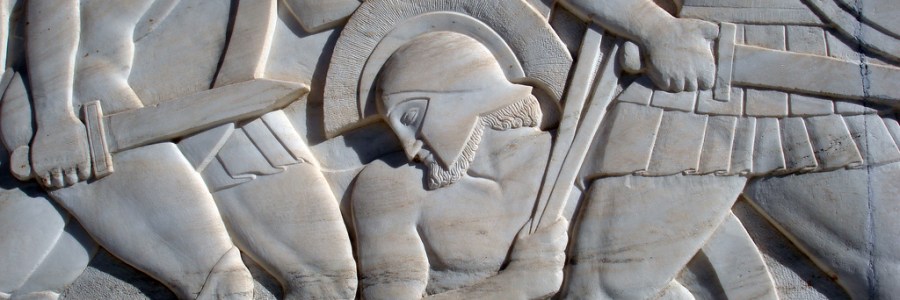
From Sparta to Space: Astropolitics and IR Theory

DR BLEDDYN BOWEN What does the world of Thucydides have in common with that of Wehrner von Braun or Sergei Korolev; of the realm of the trireme with the Delta IV rocket? Much like the popular misconception that satellites in orbit have ‘escaped’ the influence of Earth’s gravity, there is a common perception that outer… Read More From Sparta to Space: Astropolitics and IR Theory

Command, Leadership & Management: Beyond Biographies

This short-series of posts coincides with the Command, Leadership and Management phase of the ACSC. In it, members of the Department reflect upon aspects of the leadership, broadly defined. ANNA BRINKMAN Military and political leaders, like all objects and subjects of historical analysis, come in and out of vogue depending on the political undercurrents which… Read More Command, Leadership & Management: Beyond Biographies

Syria’s ceasefire and the challenges of war termination

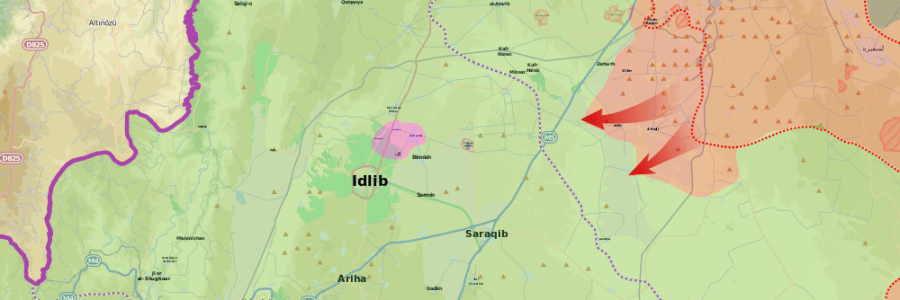
DR CHRIS TUCK The current ceasefire in Syria is under significant pressure and claims of local violations continue to grow. It has, at least, succeeded in reducing the scale of the fighting, which is welcome. The war has, since 2011, led to the deaths of over 300,000 people and displaced internally, or made refugees of,… Read More Syria’s ceasefire and the challenges of war termination

Testing times for Uzbekistan

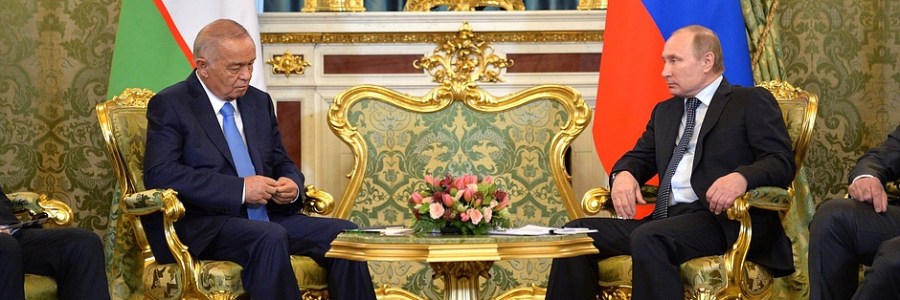
DR TRACEY GERMAN The death of Uzbek President Islam Karimov, the longest serving ruler in the post-Soviet space, has triggered concern about the stability of the Central Asian country. In power since 1989, Karimov’s authoritarian rule has undoubtedly contributed to relative stability, whilst also hindering the development of a robust economy and functioning civil society.… Read More Testing times for Uzbekistan

Why Islamic State is wrong: Sykes-Picot is not responsible for controversial borders in the Middle East – but the British military is (Part 2)

This is Part Two of a two part series on the topic by Dr. Rod Thornton. Dr Rod Thornton Throughout Ottoman times and from probably much earlier, it was the agricultural produce of the Mosul vilayet that fed the people of the less fertile vilayets of Baghdad and Basra. Finished-goods trade went the other way.… Read More Why Islamic State is wrong: Sykes-Picot is not responsible for controversial borders in the Middle East – but the British military is (Part 2)

Why Islamic State is wrong: Sykes-Picot is not responsible for controversial borders in the Middle East – but the British military is (Part 1)

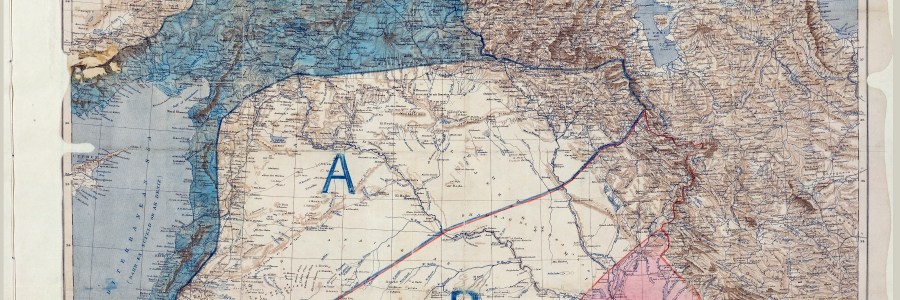
This is Part One of a two part series on Sykes-Picot and the controversial borders of the Middle East. Dr Rod Thornton The Sykes-Picot Agreement, reached during the First World War by Britain and France, has recently been given renewed prominence. This has come about with the claim by Islamic State (IS) that this accord… Read More Why Islamic State is wrong: Sykes-Picot is not responsible for controversial borders in the Middle East – but the British military is (Part 1)