A Statistically Robust Way to ‘Measure’ Military Morale!
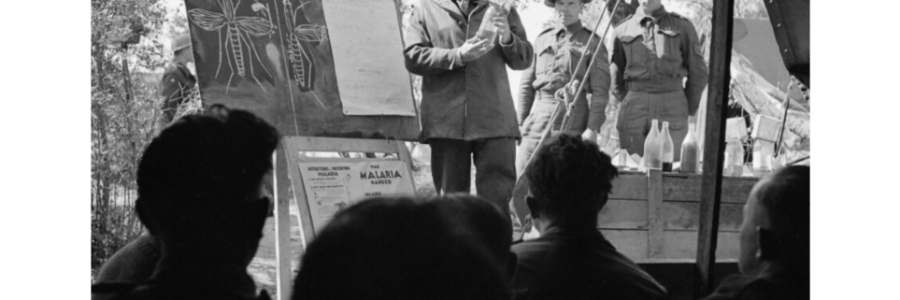
DR JONATHAN FENNELL There are relatively few reliable primary or secondary sources that assess levels of morale in armies. As I discussed in a previous post, this makes it extremely difficult for historians to make connections between battle outcomes and that most nebulous of military factors – morale. Considering the great and the good, from… Read More A Statistically Robust Way to ‘Measure’ Military Morale!
Ball Bearings Innovation: The Industrial College of the Armed Forces and the Increments of Transformational Change

This is the fourth of several posts running on Defence-in-Depth over the next few weeks arising out of the Military Learning and Innovation Roundtable held at the Joint Services Command and Staff College on Wednesday 17 June 2015. The roundtable explored the various ways in which armed forces have learned, adapted, and innovated in times of… Read More Ball Bearings Innovation: The Industrial College of the Armed Forces and the Increments of Transformational Change

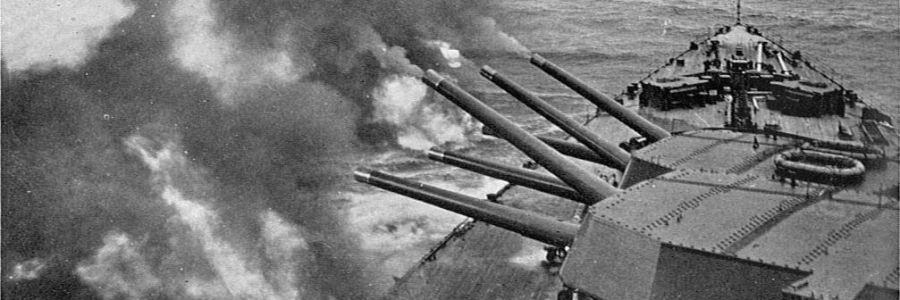
From the Archives: Operation ‘Hermetic’: countering the threat to D-Day from the German surface fleet

DR TIM BENBOW It was a signal that Admiral Bertram Ramsay must have been longing to send, while being concerned at the potential consequences: ‘CARRY OUT OPERATION HERMETIC’. The issue of this simple order would have executed the contingency plan he had devised as Allied Naval Commander, Expeditionary Force to counter any attempt by the… Read More From the Archives: Operation ‘Hermetic’: countering the threat to D-Day from the German surface fleet

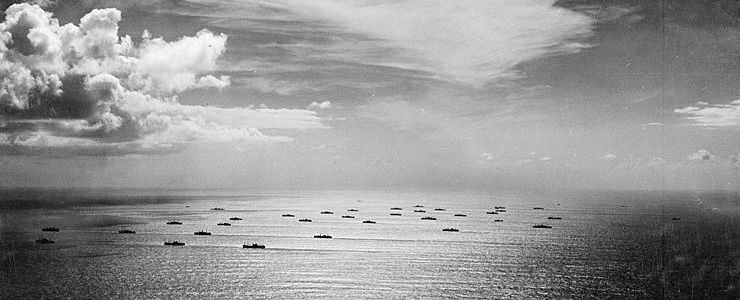
The Admiralty, the Air Ministry and the Battle of the Atlantic, 1940-43

by DR TIM BENBOW The ‘Battle of the Atlantic’ against the U-boats was the most vital campaign for Britain between mid-1940 and early 1943.  It had to be won if Britain was to remain in the war let alone shift over to the offensive.  Gaining this critical success was made more difficult by the general… Read More The Admiralty, the Air Ministry and the Battle of the Atlantic, 1940-43

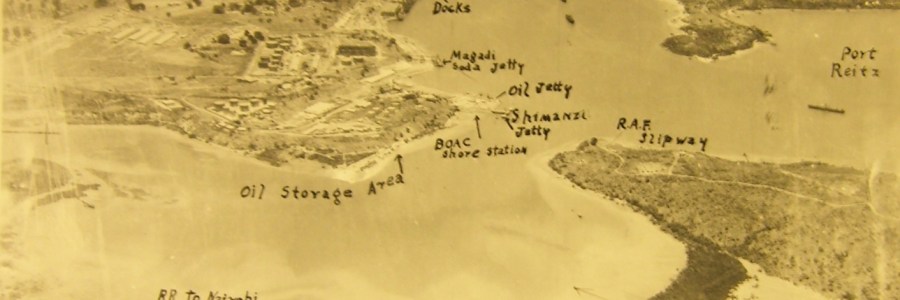
Of Sea Lanes, Strategy, and Logistics: Africa’s Ports and Islands during the Second World War

by PROF ASHLEY JACKSON The African continent’s strategic significance during the Second World War and the military activity that occurred on African soil revolved around ports. Some of them were located on islands, but the majority was on the mainland. Between 1939 and 1945 African islands and ports gained military and strategic prominence, particularly because… Read More Of Sea Lanes, Strategy, and Logistics: Africa’s Ports and Islands during the Second World War

‘They can’t kill us all’: Morale and the Study of Strategy

by DR JONATHAN FENNELL ‘What are they going to do’, said one young man protesting in Hong Kong this week, ‘they can’t kill us all’. While one may admire the confidence and determination of youth, two points spring to mind. First, the Chinese authorities certainly could have killed the thousands of protestors massed in downtown Hong… Read More ‘They can’t kill us all’: Morale and the Study of Strategy

The Operational Level of War and the Operational Art

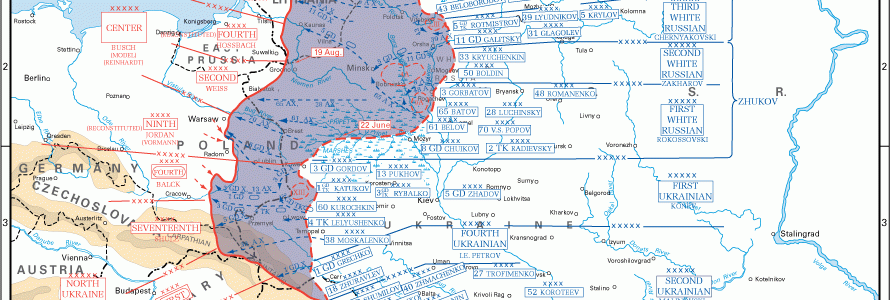
by DR HUW J. DAVIES and DR ROBERT T. FOLEY In recent years, particularly since difficulties have been encountered in Afghanistan and Iraq, military thinkers and practitioners have begun questioning the existence of the operational level of war. Some argue that the articulation of the concept was a distraction from adequate attention to the tactical… Read More The Operational Level of War and the Operational Art

The Twentieth Century’s Second European War

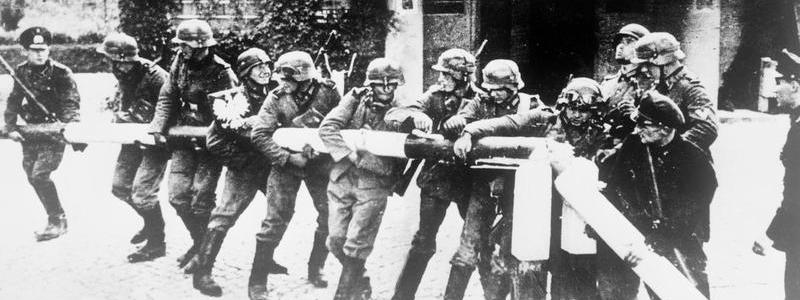
by DR ANDREW STEWART Just before 9 a.m. on 3 September 1939 the British Ambassador in Berlin, Sir Neville Henderson, had arrived at the Foreign Ministry to deliver an ultimatum. This final opportunity for Germany to withdraw its military forces from neighbouring Poland, which had been attacked and invaded on 1 September, was delivered to… Read More The Twentieth Century’s Second European War