2018 – will the year of the Royal Air Force be any better than 2017 was for the Royal Navy?
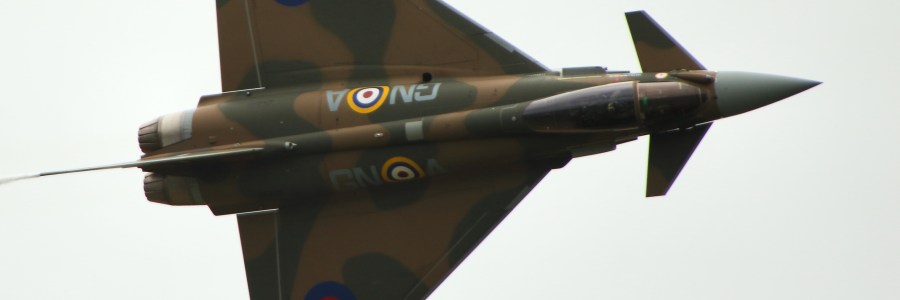
PROF ANDREW DORMAN, PROF MATTHEW UTTLEY, MS ARMIDA VAN RIJ, & DR BENEDICT WILKINSON If 2017 was the ‘Year of the Royal Navy (RN)’ then presumably 2018 is the de facto year of the Royal Air Force (RAF) as it celebrates 100 years since its formation on 1st April 1918. For the RN, 2017 proved more… Read More 2018 – will the year of the Royal Air Force be any better than 2017 was for the Royal Navy?
The Changing Role and Position of Turkish Armed Forces in Turkish Foreign Policy

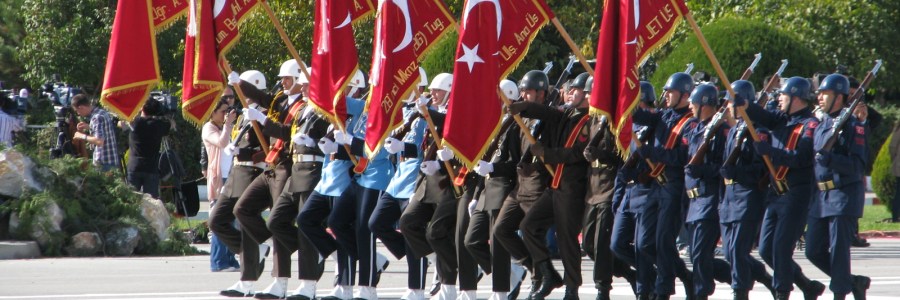
SELCUK AYDIN The Turkish Armed Forces have been discussed substantially during the last few years in the context of Turkish Foreign Policy due to new developments in the military; such as building a military base in Qatar and Somalia, technological transformation, the S400 strategic defence system deal with Russia, and operations in Iraq and particularly… Read More The Changing Role and Position of Turkish Armed Forces in Turkish Foreign Policy

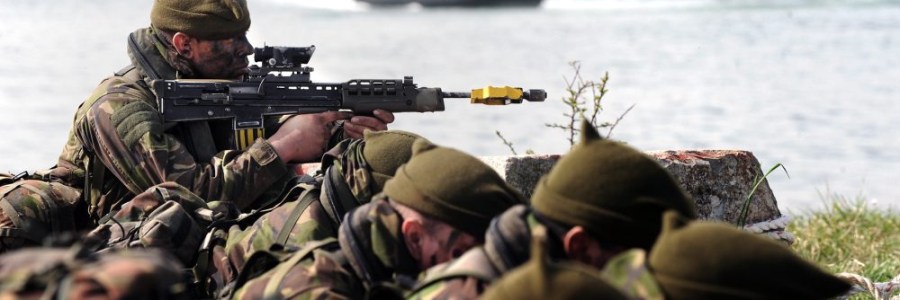
Amphibiosity, the Royal Marines and the Defence Debate in the UK

PROF ANDREW DORMAN, PROF MATTHEW UTTLEY, MS ARMIDA VAN RIJ The House of Commons Defence Committee (HCDC) has recently released a report emotively entitled ‘Sunset for the Royal Marines?’ The report followed on from the HCDC’s rapid inquiry into the future of the UK’s amphibious capability in the wake of a series of press reports… Read More Amphibiosity, the Royal Marines and the Defence Debate in the UK

The Defence Review and the Military High Command: Do changes in personnel numbers suggest that the armed forces are capable of modernising themselves?

PROF ANDREW DORMAN*, PROF MATTHEW UTTLEY, & DR BENEDICT WILKINSON In December 2017, General Sir Nicholas Carter, Chief of the General Staff (CGS) exchanged ‘Letters to the Editor’ in The Times with Frank Ledwidge, one of our King’s Department of War Studies colleagues.[1] At issue was the size of the senior officer corps compared to… Read More The Defence Review and the Military High Command: Do changes in personnel numbers suggest that the armed forces are capable of modernising themselves?

Is the use of nuclear weapons more likely now? Well, yes…

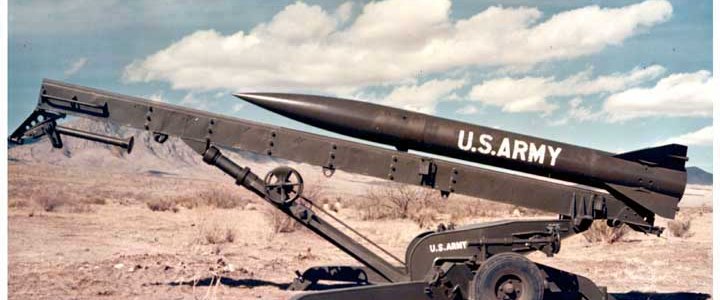
DR ROD THORNTON Nuclear weapons are, it seems, becoming more and more of a factor in the thinking about how future major wars will be conducted. The recently released United States Nuclear Posture Review (NPR) points to the fact that Washington now wants to increase the size of its nuclear arsenal. Specifically, it seeks to… Read More Is the use of nuclear weapons more likely now? Well, yes…

Current Russian and Chinese ways of warfare: the end (?) of military violence in peer-state conflict

DR ROD THORNTON When it comes to the winning of wars, it might be thought that military organisations today, just as they have always done, would be concentrating their efforts on how best to use kinetic force. Military violence is, after all, what militaries do. But not, it seems, any more – or at least… Read More Current Russian and Chinese ways of warfare: the end (?) of military violence in peer-state conflict

French Revolutionary War Theory: Conflict Between War and Peace

DR MIKE FINCH One of the most salient features of warfare during the present decade appears to be breakdown of the barrier between the state of war and the state of peace. As Chief of the General Staff Sir Nick Carter noted in his foreword to Army Doctrine Publication: Operations: ‘No longer is there a… Read More French Revolutionary War Theory: Conflict Between War and Peace