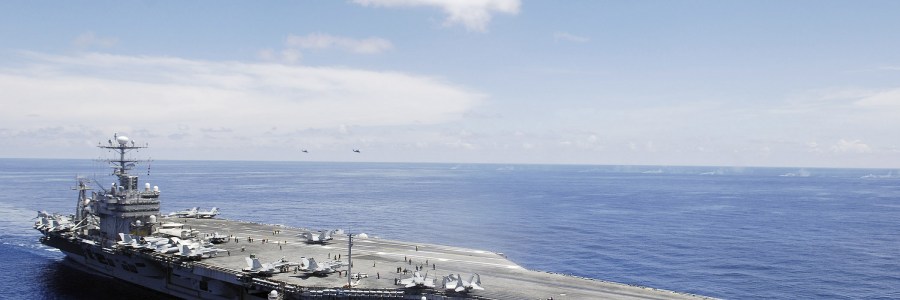
Thinking about the Present and Future of US Military Power Projection

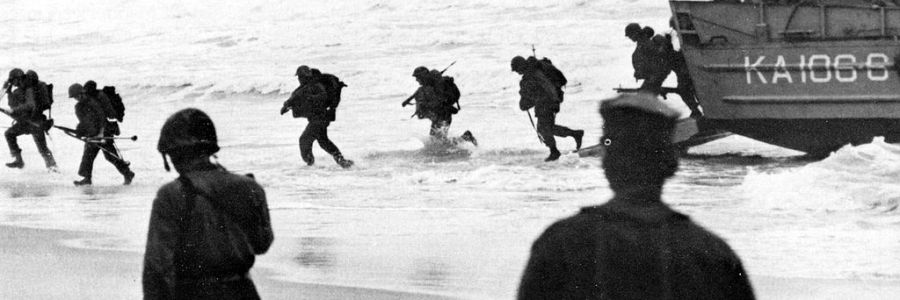
This is the third in a series of posts from a recent research symposium organised by Dr Ellen Hallams on ‘The Reconfiguration of American Primacy in World Politics: Domestic and International Challenges.’ In this piece, Dr Jeff Michaels explores the role of the military in US foreign policy. DR JEFF MICHAELS One of the great ironies of so much of… Read More Thinking about the Present and Future of US Military Power Projection

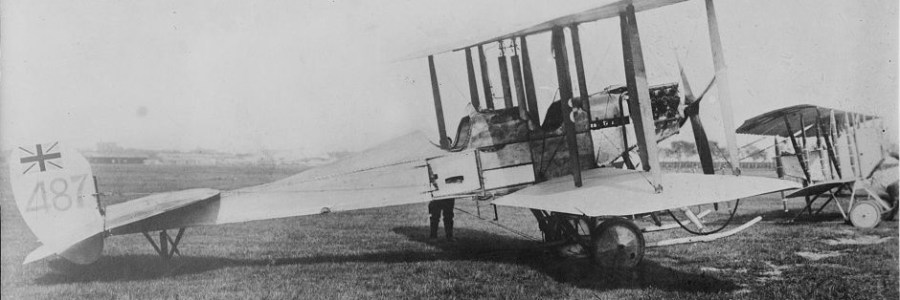
The Royal Flying Corps and Preparing for the Battle of Loos, 1915: Developing an Air Force

by Dr DAVID JORDAN In the introduction to his excellent book on the battle, my colleague Nick Lloyd observed that the battle of Loos remained forgotten, ‘lost in the myths of rumour, hearsay and myth’, even though it was the largest land battle that Britain had fought up until that point, and was marked by… Read More The Royal Flying Corps and Preparing for the Battle of Loos, 1915: Developing an Air Force

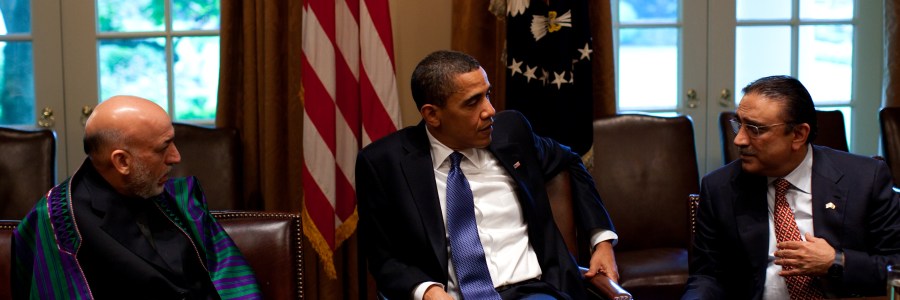
US Primacy in the Obama Era: A State of Mind?

This is the first in a series of posts from a recent research symposium organised by Dr Ellen Hallams on ‘The Reconfiguration of American Primacy in World Politics: Domestic and International Challenges.’ In this series, members of the Defence Studies Department who participated in the symposium will examine some of the challenges and issues faced… Read More US Primacy in the Obama Era: A State of Mind?

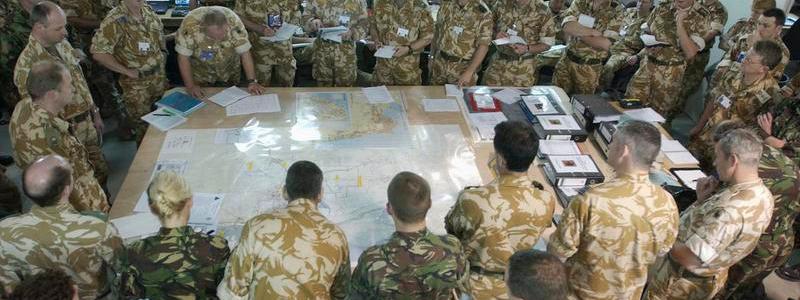
Operational Art: Pinheads and Angels

The operational level of war and the operational art are key concepts of Western military doctrine and consequently form important areas of study in staff colleges around the world. To stimulate discussion and debate about these important ideas, authors from the Defence Studies Department are exploring the continued utility of these concepts. In this third post,… Read More Operational Art: Pinheads and Angels

From the Archives: Versions of History in Two Collections: Assessing the Purpose and Conclusions of Compilers

ANNA BRINKMAN There are few moments more satisfying, or tantalizing, for an historian than looking through the catalogue of an archive and discovering that it holds vast repositories of material relevant to one’s research. . Though catalogues give an idea of the material contained in a collection, with varying degrees of accuracy, it is always… Read More From the Archives: Versions of History in Two Collections: Assessing the Purpose and Conclusions of Compilers

Barriers to Innovation and Operational Learning: A Case Study of Inter-service Rivalry from the Second World War

DR RICHARD HAMMOND The recent Military Learning and Innovation Roundtable at the JSCSC produced a fascinating set of papers and subsequent posts on this blog. In the last of these, Stuart Griffin referenced Adam Grissom’s seminal article assessing the state of military innovation studies. Grissom identified the rapidly expanding literature as falling within four broad… Read More Barriers to Innovation and Operational Learning: A Case Study of Inter-service Rivalry from the Second World War

The British Army and the Northwest Europe Campaign of the Second World War

DR JONATHAN FENNELL In a previous blog post, I argued that by assessing rates of sickness, battle exhaustion, desertion, absence without leave and self inflicted wounds (SIW) in an army, morale can be accurately, and in a statistically robust way, measured. This methodological innovation makes it possible to assess and graph levels of morale in… Read More The British Army and the Northwest Europe Campaign of the Second World War

‘COUP-PROOFING’, INSURGENCIES AND MILITIAS.

DR GERAINT HUGHES In a previous post I commented on the increasing importance of militias in internal conflicts, particular with both the Syrian civil war and the conflict in Iraq against so-called Islamic State. Scholars of Iraqi history can indeed draw parallels between the Kurdish peshmerga’s relevance to the US-led Coalition war effort and the… Read More ‘COUP-PROOFING’, INSURGENCIES AND MILITIAS.