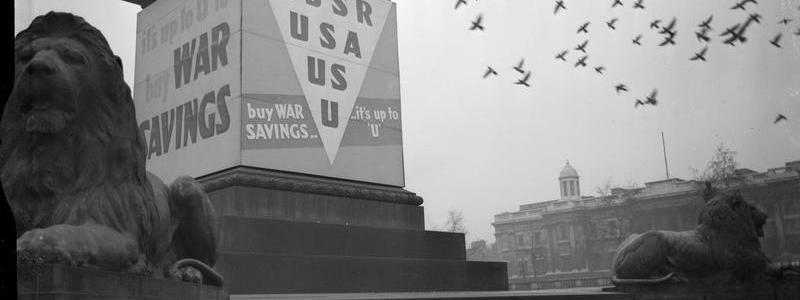
It’s about reaching the decision, not victory: strategic theory and the difficulty of taking action
DR BLEDDYN E. BOWEN As students of the Defence Studies Department grapple with strategic theory this winter, a useful way to begin is to consider the purpose of strategic theory and the work of ‘that dead Prussian’. One perspective on this issue is that we are engaging with why reaching decisions in war is difficult… Read More It’s about reaching the decision, not victory: strategic theory and the difficulty of taking action
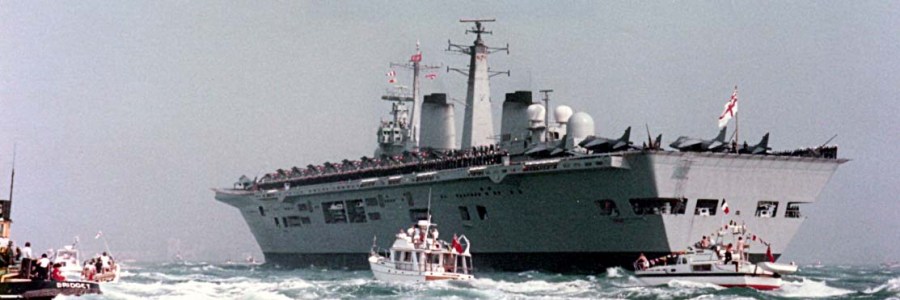
SUEZ SIXTY YEARS ON: IMPLICATIONS FOR THE ROYAL NAVY

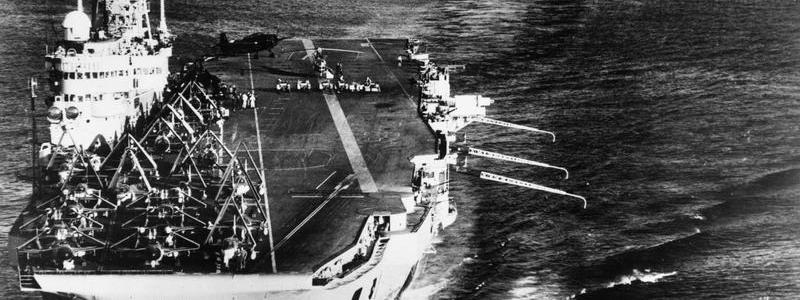
This is the second in a series of posts drawn from an event to mark the 60th anniversary of the Suez Crisis which the Defence Studies Department Strategy and Defence Policy Research Centre hosted on November 7th, 2016. Recordings of the papers will be posted shortly to the Department soundcloud. By Dr Tim Benbow The Suez… Read More SUEZ SIXTY YEARS ON: IMPLICATIONS FOR THE ROYAL NAVY

Balancing past and present: Edward Mead Earle and Makers of Modern Strategy

BY DR MICHAEL FINCH This post is based on my article which appears in the most recent issue of The Journal of Military History. It might be considered that in producing a significant contribution to scholarship, a scholar ensures his or her own reputation. Yet this is not always the case. Edward Mead Earle, Professor at… Read More Balancing past and present: Edward Mead Earle and Makers of Modern Strategy

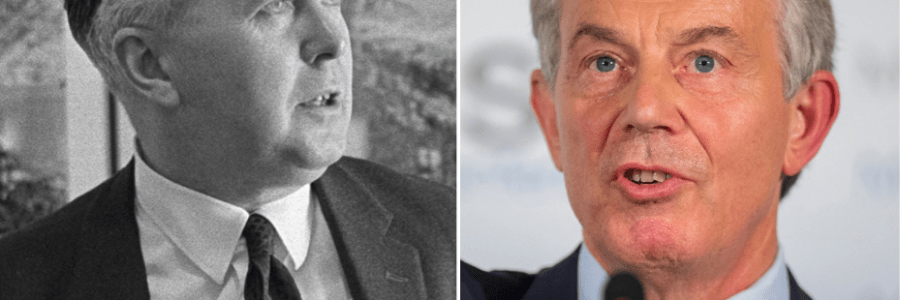
THE OTHER VIETNAM ANALOGY: TONY BLAIR, HAROLD WILSON AND THE ‘SPECIAL RELATIONSHIP’.

DR GERAINT HUGHES Even before the release of the Chilcot Report on 6th July 2016 the reputation of Tony Blair was tarnished by the controversies surrounding Britain’s involvement in the Iraq War (2003-2009), his relationship with former President George W. Bush, and the flawed decision-making which took the UK into this conflict. One side-effect of Operation Telic is that… Read More THE OTHER VIETNAM ANALOGY: TONY BLAIR, HAROLD WILSON AND THE ‘SPECIAL RELATIONSHIP’.

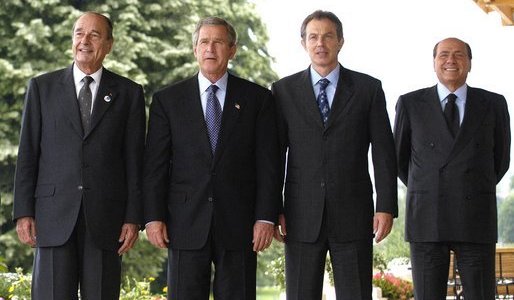
Iraq: not the first British disaster … and it’s unlikely to be the last

DR CHRIS TUCK After seven years, the Chilcot inquiry into the circumstances surrounding Britain’s involvement in the Iraq war finally has been released. Its conclusions are an excoriating critique of the limitations in British strategy and policy in 2003. The inquiry has identified a raft of issues: that war was not the last resort and… Read More Iraq: not the first British disaster … and it’s unlikely to be the last

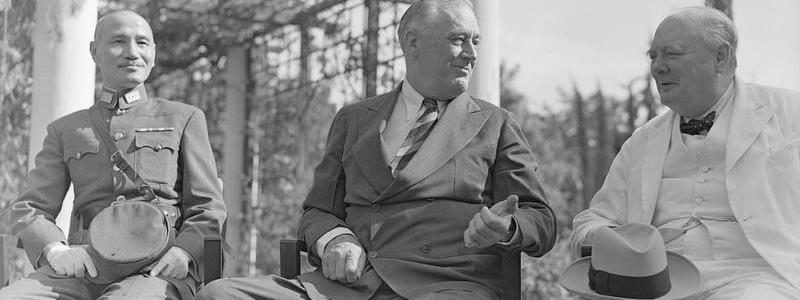
1940-1942: THE FULCRUM OF THE TWENTIETH CENTURY? ‘Halfway Out of National Danger’: Chiang, Stalin and the Chinese Reaction to Barbarossa

This is the fifth in a series of posts connected to the King’s College Second World War Research Group’s ‘1940-1942: Fulcrum of the Twentieth Century Conference’, held at the JSCSC on June 1st.  PETER HARMSEN Traditionally Chiang Kai-shek has been treated in western historiography as a failure: the man who presided over the epic loss of China. In… Read More 1940-1942: THE FULCRUM OF THE TWENTIETH CENTURY? ‘Halfway Out of National Danger’: Chiang, Stalin and the Chinese Reaction to Barbarossa

1940-1942: The Fulcrum of the Twentieth Century? The Will to Win: British Strategy, Propaganda and Public Opinion 1940-1942

This is the third in a series of posts connected to the King’s College Second World War Research Group’s ‘1940-1942: Fulcrum of the Twentieth Century Conference’, held at the JSCSC on June 1st.  PROF STEPHEN BADSEY Stephen Badsey PhD MA (Cantab.) FRHistS is Professor of Conflict Studies in the Department of History, Politics and War Studies at the University of… Read More 1940-1942: The Fulcrum of the Twentieth Century? The Will to Win: British Strategy, Propaganda and Public Opinion 1940-1942